
ICE’s Biggest Tricks to Get People to Talk

November 13, 2025

Immigration encounters are stressful — and officers sometimes use psychological tactics to make people talk, sign papers, or reveal information they shouldn’t. Knowing the common tricks can help you and your loved ones stay safe, calm, and in control.

At Johnson & Masumi, P.C., we’ve seen the patterns. Below are common tactics ICE agents use and simple, practical ways you can protect your rights.

Common Tactics ICE May Use

1. “We’re just asking questions.”

Officers will often say they’re conducting a routine inquiry to make people feel like it’s harmless. But routine-sounding questions can be used to collect information that affects immigration cases.

2. False promises of leniency or help.

Agents sometimes promise help, faster processing, or leniency if a person cooperates. These promises aren’t binding — and cooperating under a false promise can still harm your case.

3. Threats or scare tactics.

Conversely, officers may threaten detention, deportation, or arrest to intimidate someone into talking. Fear can push people to make quick decisions they later regret.

4. Misrepresenting authority or warrants.

Agents may claim they have authority to enter a home or get consent for a search without showing a proper judicial warrant. They might present agency documents that look official but don’t meet legal requirements.

5. Playing on family or employer ties.

Agents can suggest that cooperating will protect family members or keep someone’s job. Emotional pressure like this is designed to make people act impulsively.

6. Quick-papering: “Just sign here.”

Officers sometimes push people to sign forms quickly — forms that can be used later against them, such as documents consenting to removal or waiving rights.

7. Language and cultural pressure.

If someone doesn’t understand English well, agents may speed through questions or avoid offering a translator. Confusion increases the chance of mistakes.

How to Respond — Simple, Concrete Steps

Stay calm and don’t volunteer information.

You can answer basic questions like your name in some situations, but it’s safest not to provide extra details about immigration status, where you were born, or work history.

Use your right to remain silent.

Say clearly: “I choose to remain silent and I want to speak with a lawyer.” Repeat it if necessary. Silence is a legal right; using it is often the best protection.

Ask for a lawyer immediately.

If you are being questioned about immigration status or asked to sign anything, request an attorney right away. Do not sign documents without legal advice.

Do not consent to searches.

If officers ask to search your home, phone, or vehicle, say: “I do not consent to a search.” If they have a judicial warrant, they should show it. A form from ICE alone is not the same as a judge-signed warrant.

Record what you can from a safe distance.

If you witness enforcement in public, it’s generally lawful to record. Capture badge numbers, vehicle information, and actions but avoid getting in the way.

Protect non-English speakers.

If you or someone with you doesn’t speak English well, request an interpreter or say you need time to find someone who understands. Never sign something you don't understand.

Special Considerations

Minors: Keep children away from confrontations and tell officers you want a lawyer present before answering for your child.

Workers at job sites: Employers may be pressured by agents; workers should still avoid giving immigration-related details and should contact their attorney or union representative.

If you’re detained: Ask where you are being taken, get any booking or case numbers, and call an attorney or trusted contact as soon as possible.

After an Encounter — What to Do Next

Write down everything you remember as soon as you can: names, badge numbers, car descriptions, time, and place. If you recorded the incident, make backup copies and share them with an attorney. Contact Johnson & Masumi, P.C. for advice tailored to your situation — giving us the facts early helps us act quickly.

ICE officers may use pressure, misdirection, and emotional appeals to elicit answers. The best defense is knowledge: stay calm, assert your rights, and get legal help before signing or saying anything that could affect your future.

At Johnson & Masumi, P.C., we guide people through these stressful moments with practical, compassionate legal support. If you or someone you know is facing immigration enforcement or has questions about an encounter, don’t wait.

Call us today at (703) 506-1400 for immediate guidance and to understand your options. We’re here to help.


May 19, 2026
Encounters with immigration officers can be stressful and confusing. Many people wonder whether immigration agents can legally stop someone on the street and askquestions. Understanding your rights during these encounters is important. Agents from U.S. Immigration and Customs Enforcement (ICE) may approach individuals in public spaces. However, simply being stopped by an officer does not automatically mean you are required to answer questions. In many situations, people have the right to remain silent. If an immigration officer approaches you on the street, you have the right to ask if you are being detained or if you are free to leave. If the officer says you are free to go, you may calmly walk away. You do not have to answer questions about where you were born, your immigration status, or how you entered the United States. It is also important to remember that you do not have to consent to a search of your belongings unless the officer has legal authority to conduct one. Officers may attempt to continue the conversation, but remaining calm and respectful while asserting your rights can help prevent unnecessary complications. People who are not U.S. citizens should avoid providing false documents or false statements. Providing incorrect information can lead to serious immigration consequences. If you experience an encounter with immigration officers, try to remember important details such as the location, time, and what was said during the interaction. Sharing this information with an immigration attorney can help you understand whether your rights were respected. Knowing your rights can help you stay calm and make informed decisions if you ever encounter immigration officers in a public space. If you or a loved one needs immigration guidance, our team is here to help. (703) 506-1400
May 19, 2026
Seeing someone detained by immigration officers can be alarming. Many people want to help but are unsure what they are allowed to do without putting themselves at risk. The first thing to understand is that simply observing and documenting a public encounter is generally legal. Community members can play an important role by acting as witnesses. Calm observation can sometimes discourage misconduct and ensure that the situation is handled properly. If you witness an encounter involving agents from U.S. Immigration and Customs Enforcement, try to remain calm and keep a safe distance. Avoid interfering physically with officers, as this can create legal problems for you. If it is safe to do so, you may document the situation. Recording video or taking notes can help preserve important details about the interaction. Pay attention to the location, the time, how many officers are present, and whether they show identification or a warrant. Witnesses can also help by reminding individuals of their rights in a calm and respectful way. For example, you may remind someone that they have the right to remain silent or that they can ask to speak with an attorney. After the incident, documenting what you saw can be helpful. Write down everything you remember as soon as possible. This information may later help attorneys or community organizations understand what happened. Supporting community members during stressful situations does not require confrontation. Sometimes the most powerful support is simply being present, informed, and prepared to document what you see. Unsure about your rights or next steps? Contact our office at (703) 506-1400 .
May 19, 2026
U.S. citizens may occasionally be questioned by immigration officers during enforcement operations. Although citizens cannot be deported, these encounters can still be stressful and confusing. If an immigration officer approaches you, the first step is to remain calm. Ask a clear and simple question: “Am I being detained, or am I free to go?” If the officer says you are free to leave, you may calmly walk away. You do not need to continue answering questions. Agents from U.S. Immigration and Customs Enforcement sometimes question individuals in areas where enforcement operations are taking place. Even in those situations, U.S. citizens still have constitutional protections. You are not required to answer questions about where you were born, your immigration status, or where you are going. If you choose to respond, you may simply state that you are a U.S. citizen and prefer not to answer additional questions. In some cases, officers may ask for identification. While citizens may carry identification for practical reasons, the law generally does not require U.S. citizens to carry proof of citizenship at all times. If the situation becomes uncomfortable or unclear, it is best to politely repeat your question about whether you are free to leave. Remaining respectful while asserting your rights can help prevent the situation from escalating. If you believe your rights were violated during an encounter, write down everything you remember after the interaction ends. Details such as officer names, vehicle numbers, and the location of the encounter may be useful later. Understanding your rights allows you to navigate these situations confidently and safely. Your rights matter. If you need legal support, contact our office at (703) 506-1400.
May 19, 2026
Immigration interviews often include detailed questions about an applicant’s history in the United States. One question that frequently causes concern is whether the applicant has ever worked in the United States without authorization. This question can be extremely important because unauthorized employment may affect eligibility for certain immigration benefits. The impact depends on the type of application, the immigration category, and the applicant’s overall history. For example, some immigration categories allow limited forgiveness for unauthorized employment, while others do not. In certain cases, working without authorization can complicate an application for permanent residence. The most important thing during any immigration interview is honesty. Providing false information or hiding facts can lead to far more serious consequences than the underlying issue itself. Misrepresentation can result in application denial and long term immigration consequences. Applicants should review their immigration history carefully before attending an interview. This includes understanding past employment, periods of unauthorized work, and how those details appear in previous applications or records. Preparation is key. Working with an experienced immigration attorney can help applicants understand how specific facts may affect their case. An attorney can also help prepare clients to answer difficult questions clearly and truthfully. Immigration interviews are designed to verify information and evaluate eligibility. Being prepared and honest can help applicants navigate the process with greater confidence and clarity. Every immigration case is different. Speak with our team directly at (703) 506-1400 .
May 19, 2026
During enforcement encounters, immigration officers may use certain questioning techniques to encourage people to speak. Understanding these tactics can help individuals protect their rights and avoid making statements that could affect their immigration case. Agents from U.S. Immigration and Customs Enforcement are trained investigators. Their goal is often to gather information quickly. People who are unfamiliar with their rights may feel pressured to answer questions immediately. One common tactic is casual conversation. Officers may start with friendly questions such as where you are from or how long you have lived in the area. These questions may seem harmless, but the answers could reveal information about immigration status. Another tactic involves presenting documents or asking someone to confirm personal details. Officers may ask people to verify their name, address, or place of birth. These questions can lead to additional inquiries about immigration history. A third tactic is urgency. Officers may suggest that cooperating quickly will make the situation easier or faster. This can make people feel pressured to speak without thinking about the consequences. It is important to remember that many individuals have the right to remain silent during encounters with immigration officers. Politely stating that you choose not to answer questions and wish to speak with an attorney is a lawful response. Remaining calm, respectful, and informed can make a significant difference during these situations. Knowing your rights allows you to protect yourself while avoiding unnecessary conflict. Staying informed & prepared can make a difference. If you need legal guidance, contact us at (703) 506-1400 .
Yellow paper with “IMPORTANT NOTICE” in black; “PLEASE READ IMMEDIATELY” below.
November 13, 2025
If you or someone you love receives a Notice to Appear (NTA), it means deportation proceedings are being started. Johnson & Masumi, P.C. explains what an NTA means and the key steps you should take immediately to protect your case.
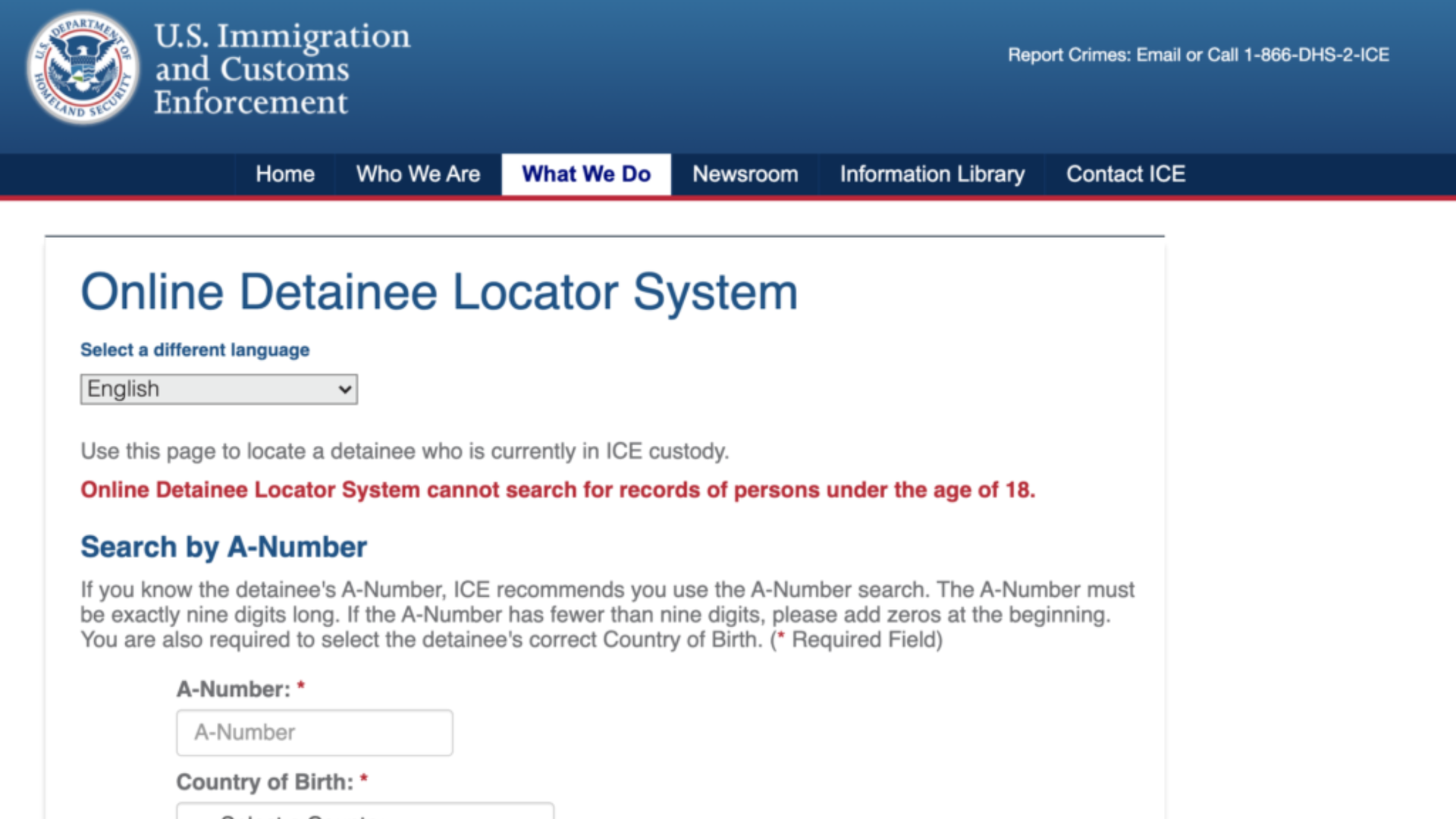
U.S. Immigration and Customs Enforcement's Online Detainee Locator System webpage. Allows searches for detainees.
November 13, 2025
Need to find someone in ICE custody? Johnson & Masumi, P.C. explains how to use the ICE Online Detainee Locator step by step, what info you’ll need, and what to do if the person doesn’t appear in the system.
Person signing a document, with a laptop and American flag on the table.
November 13, 2025
A single question — “Have you ever worked in the U.S. without authorization?” — can make or break your immigration interview. Johnson & Masumi, P.C. explains why honesty matters, what’s at stake, and how to prepare.
ICE officers arresting a person in handcuffs.
November 13, 2025
Learn what to do if you witness an ICE detention. Johnson & Masumi, P.C. explains how to safely record, protect others’ rights, and get legal help for detained immigrants.
Woman Holding Hard Paper — Vienna, VA  — Johnson & Masumi, PC
By Johnson and Masumi October 28, 2021
Johnson & Masumi is a Fairfax, VA immigration attorney dedicated to helping clients acquire immigrant visas. Call (703) 506-1400 for a consultation.